
Are you experiencing a deep ache between your shoulder blades, or a sharp twinge in your lower back? While both fall under the label of ‘back pain,’ they often stem from distinct mechanical issues that require specific clinical approaches.
Differentiating between upper back vs. lower back pain is not just helpful, but crucial in getting proper treatment and effective recovery.
Quick fixes miss the mark. The only way forward is a treatment plan that addresses the exact source of your discomfort. Conservative back pain management, including chiropractic care and massage therapy, targets these issues effectively. Here’s how to choose the right back pain treatment that actually fits your needs.
Understanding the differences in back pain starts with the basics of your spine. When you know how it works, it’s easier to visualize what’s going on when discomfort strikes.
Your spine is composed of two key areas: the thoracic spine and the lumbar spine.

This is your spine’s middle section, running from the base of your neck to the bottom of your ribs. The thoracic spine connects to your rib cage, providing upper stability and supporting posture. Because it’s less flexible than your lower spine, it can be more prone to tension and stiffness from hunching, stress, or repetitive movements.
This is the lower part of your spine, connecting to your pelvis. Your lumbar spine is like your back’s workhorse, supporting most of your body weight and allowing extensive movements, such as bending and twisting. Because of this, it’s also the area most prone to herniated discs, sciatica, and straining.
That debilitating pain you feel in your back can stem from different sources. Upper and lower back pain have different triggers. Let’s take a look at what commonly causes the pain in each area.
Upper back pain often stems from everyday habits. Hunching while sitting or slouching while standing can strain the area. Even simple actions like lifting overhead or slumping at your desk for long hours trigger discomfort. Common culprits include:
Lower back pain is often linked to more serious structural issues or injuries. Flare-ups can suddenly strike after lifting something heavy or build gradually from years of wear and tear. Lumbar pain can also be a sign of an underlying spinal condition.
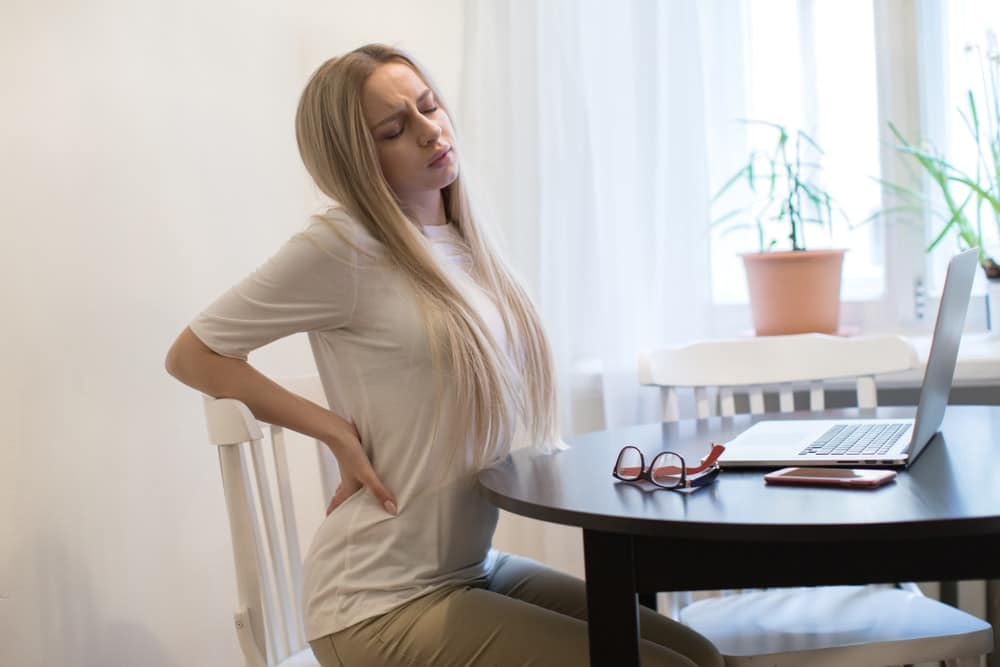
Here are some common causes:
Upper and lower back pain aren’t the same. Recognizing the difference in symptoms, pain locations, and triggers is what guides you toward the right relief.
Below is a comparison table highlighting upper vs lower back symptoms:
| Symptoms | Upper Back Pain | Lower Back Pain |
| Pain Location | Between the shoulder blades or near the base of the neck | Lower back |
| Common Triggers | Prolonged sitting and poor posture | Bending, lifting, and standing for long periods |
| Pain Radiation | Rarely below the waist | May radiate to the hips, glutes, or legs |
| Other Symptoms | Muscle tightness, mild stiffness, or reduced mobility | Tingling, numbness, muscle spasms, or shooting pain down the leg |
When it comes to something as intricate as your spine, the thought of incisions and the potential risks can feel daunting. Fortunately, treating back pain without surgery is possible. Here are some options that work:
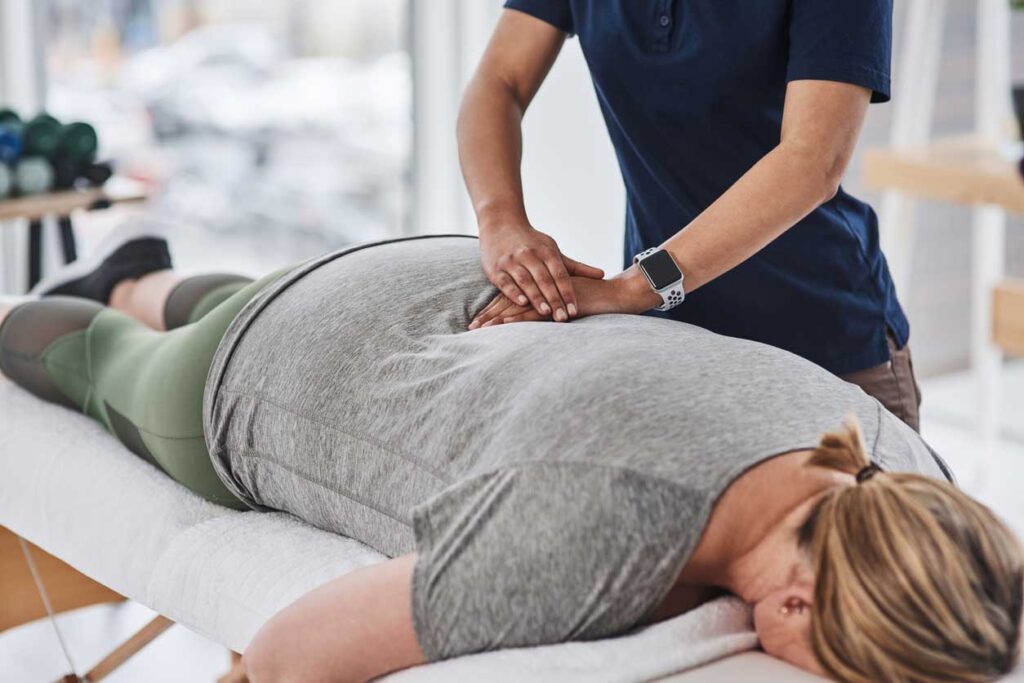
Chiropractic care uses targeted spinal adjustments to enhance mobility in both the upper and lower back. These adjustments aim to restore proper joint motion and address postural issues, including muscle imbalances, providing significant pain relief for various back pain types.
Daily activities can stress your back muscles, building up tension over time. Massage therapy helps ease this tension, reducing back pain and boosting circulation to support recovery. It works well alongside other treatments for upper and lower back pain, enhancing overall results.
Back pain often radiates to your hips, glutes, or legs, making the source hard to pinpoint. Decompression therapy uses a traction table to gently stretch the spine and ease pressure on discs and nerves, promoting healing and long-term relief.
Manipulation Under Anesthesia is a viable option when your back pain hasn’t improved with other treatments. While you’re under anesthesia, your chiropractor performs spinal adjustments more effectively, releasing scar tissue and adhesions limiting movement.
Personal training helps refine your daily habits and movement patterns, making movements more comfortable while reducing the risks of recurring pain. The training focuses on posture correction, core strengthening, and functional movement to support and protect your spine.
Effective back pain treatment hinges on addressing the unique causes of discomfort. Knowing the difference between upper back vs lower back pain makes recovery more targeted and effective, and leads to evidence-based, nonsurgical treatments that address the issue without unnecessary procedures or risks.
Don’t let the pain control your daily life. Invest in your spine health through regular health screenings, early recognition, and prompt action. At Zaker Chiropractic, we offer effective, noninvasive care for upper and lower back pain. Schedule a consultation with us today.