
If you just rolled an ankle or twisted a knee, you may be wondering whether the pain you’re feeling is a sprain or something worse. Most sprains respond well to PRICE therapy (protection, rest, ice, compression, and elevation), followed by gentle movement. However, if your symptoms continue for weeks or months, it’s best to get them checked.
Zaker Chiropractic provides treatment for sprains in Torrance, Newport Beach, and San Pedro, with on-site imaging and nonsurgical therapies, including chiropractic care and physiotherapy. Because the grade of your sprain influences your recovery timeline, this page outlines what to expect so you can plan your next steps.
Knowing whether you’re dealing with a sprain, strain, or fracture is the first step toward finding the right care.

A sprain refers to an injury to your ligaments, which are connective tissues that link bone to bone. It usually happens when a joint is forced beyond its normal range of motion, making it painful and unstable.
Meanwhile, a strain affects the muscle or tendon due to overextension or overload. You feel the pain in the tissue itself, often with tightness or cramping.
A fracture means the bone has broken. While some of its symptoms overlap with sprains and strains, indications distinct to a fracture include:
If any of these apply, visit your nearest emergency department immediately to receive the appropriate treatment before booking a chiropractic visit.
| Sprain | Strain | Fracture | |
|---|---|---|---|
| Tissue Injured | Ligament | Muscle or tendon | Bone |
| Typical Mechanism | Joint bent or twisted too far | Muscle overextended or overloaded | Heavy impact |
| What It Feels Like | Joint pain, instability | Tightness, cramping | Deformity, numbness, tingling, discoloration |
| Identification | Mobility assessment, imaging, physical examination | Mobility assessment, physical examination | X-ray |
Sprains, strains, and fractures can look alike at first, so Zaker Chiropractic confirms your injury with on‑site imaging when clinically indicated.
Zaker Chiropractic provides treatments for sprains affecting your ankles, wrists, knees, and other extremities. These injuries often result from falls, sports, overextension, or collisions.
Not every sprain can be managed conservatively. Among the three grades of sprain, complete ligament tears often require orthopedic referral. When our evaluation indicates this, we’ll connect you with the appropriate specialist.
We personalize your sprain treatment plan based on the joint involved, the severity of the injury, and your stage of recovery. Care typically progresses from calming swelling and inflammation to restoring strength and stability.
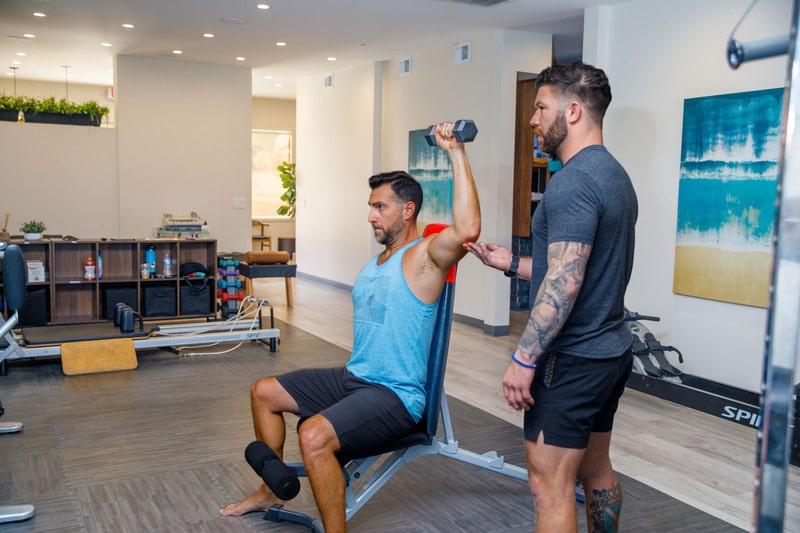
Sprains often leave joints stiff and restricted, causing surrounding limbs to compensate. This overworks them and increases your risk of further injury.
Our chiropractors perform gentle adjustments and mobilizations to help restore movement, easing strain on surrounding tissues. Case reports suggest improvements in pain and function among athletes following chiropractic management.
In this approach, we expose your body to extremely cold temperatures (200–300°F) for up to 4 minutes to help manage pain and swelling. It doesn't repair injured ligaments. However, it may reduce your discomfort enough to make other therapies more manageable.
Our physiotherapy program involves strength, balance, and stability exercises designed to help prevent repeated injuries. A 2022 meta-analysis supports this, discovering that exercise-based rehabilitation reduces the risk of recurrent ankle sprains compared to conventional care.
We recommend shockwave therapy for lingering soft-tissue problems near sprained joints. This modality uses acoustic waves to support circulation and stimulate tissue repair, aiding overall recovery.
We categorize the severity of your sprain by its grade, which is determined by how much the ligament is damaged. Recovery also varies depending on the joint affected, your age, and your activity level.
| Grade | Ligament Damage | Common Limitations | Treatment Focus |
|---|---|---|---|
| Grade 1 | Mild stretch | Manageable pain | Joint mobilization and strengthening exercises |
| Grade 2 | Partial tear | Swelling, with some looseness | Rest and gradual rehabilitation |
| Grade 3 | Complete tear | Instability, trouble bearing weight | Referral to an orthopedist |
Grade 1 injuries usually progress quickly to strengthening, while Grade 2 injuries require a gradual approach to accommodate the partial tear.
A Grade 3 sprain, on the other hand, typically warrants an orthopedic evaluation. Chiropractic care may be appropriate only once the injury has adequately healed.
Let’s go over how care typically goes in our Torrance, Newport Beach, and San Pedro clinics to help you prepare.

The frequency of your visit depends on your injury and how your body responds to care. As such, we’ll provide you with a realistic timeline after your evaluation and verify insurance coverage before your first visit to ensure a smooth experience.
Each of our clinics uses the same approach to sprain treatment, allowing you to choose the location closest to you.
While minor sprains usually resolve on their own, skipping rehabilitation once the pain fades can raise the risk of recurrence. That’s why it’s important to get grade-appropriate sprain treatment from Zaker Chiropractic to help protect your joints from repeated injury. Schedule a consultation with our team in Torrance, Newport Beach, or San Pedro today to start your recovery on the right track.