
Do you feel like only one of your legs does all the work? You’re not alone—approximately 5% of U.S. adults aged 60 and older report experiencing musculoskeletal issues, like muscle weakness in the legs or aching hips. These issues often stem from muscle imbalances in your legs and pelvis.
Treatment for muscle imbalance often requires more than stretching or rest. When everyday remedies aren’t enough, targeted solutions like chiropractic care can make the difference. Read on to learn how chiropractors treat muscle imbalances, offering a noninvasive, whole-body treatment for lasting leg pain relief.
Muscle imbalances occur when opposing muscle groups, such as your quadriceps and hamstrings, fall out of sync due to inactivity, poor posture, or overuse injuries. One becomes overactive and tight, while the other becomes weak and underused.

Think of your body as a series of linked segments: your feet, knees, hips, and spine form a "kinetic chain." A problem in one link, such as a stiff ankle, forces the joints above it (knee, hip) to move incorrectly in compensation.
A minor imbalance in your foot can travel upward, eventually causing back or leg pain that remains elusive until the chain is restored. This imbalance disrupts joint mobility, forcing your body into unhealthy movement patterns and causing more discomfort.
Specific muscle imbalances often create predictable, painful patterns. Recognizing these can help find the root cause of your leg pain and discomfort.
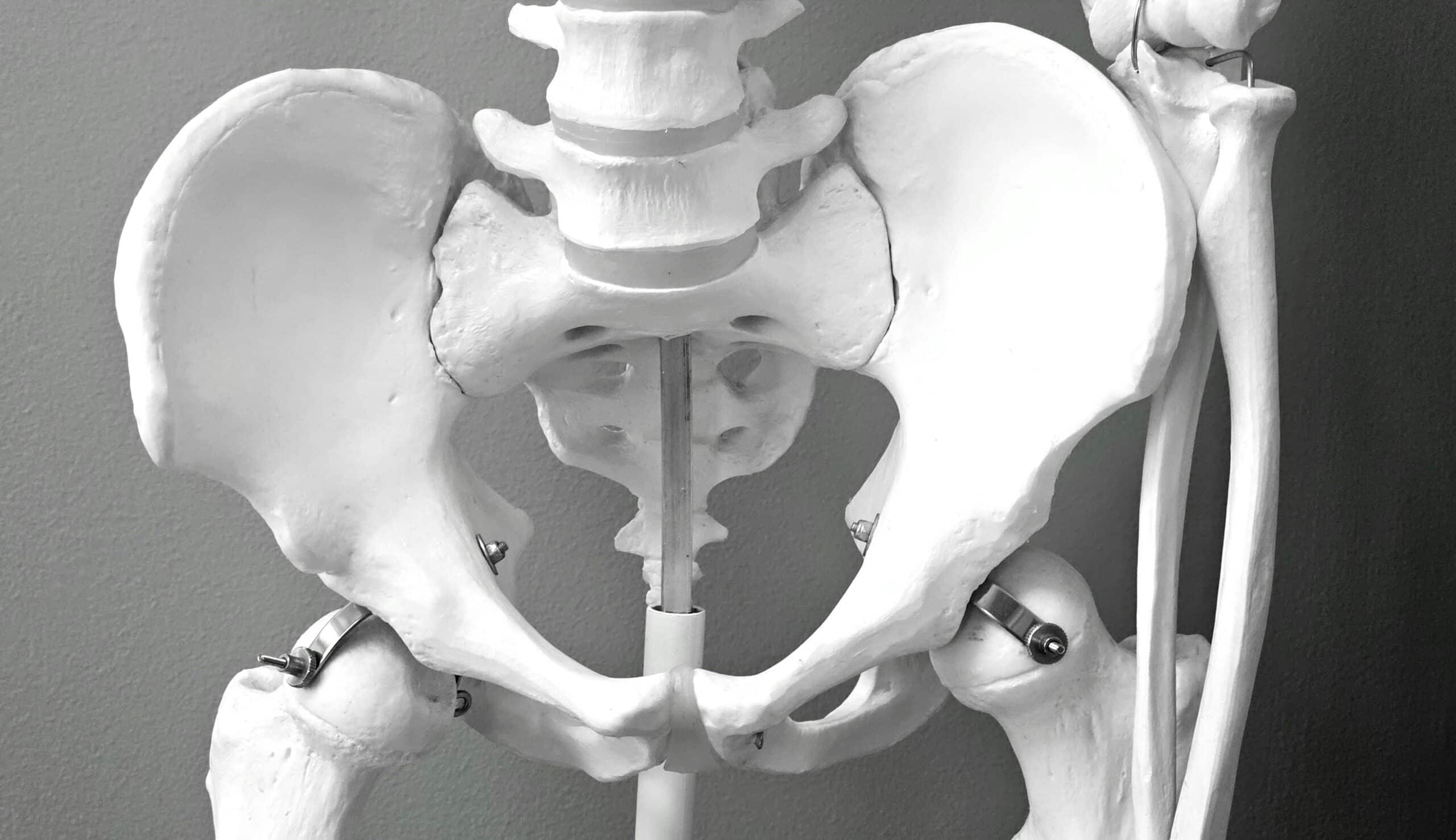
A pelvic tilt can disrupt the surrounding muscles between your spine and hips, creating spinal misalignments. These misalignments place uneven pressure on the joints and surrounding muscles of your lower back.
Such strain directly irritates the spinal nerves that branch out to your lower body. The irritated nerve can then send pain signals downstream, causing a deep ache in your glutes or legs—a classic example of referred pain from a structural root cause.
An effective muscle imbalance treatment starts with a precise diagnosis. In chiropractic care, chiropractors conduct a thorough evaluation, connecting your symptoms to specific underlying dysfunctions. This process ensures your treatment plan targets the source, not just the pain.
A comprehensive treatment plan integrates several evidence-based techniques to correct dysfunction, relieve pain, and retrain the body. Here’s how chiropractors treat muscle imbalances with targeted adjustments and rehabilitative exercises.

A precise chiropractic adjustment is often the first step in treatment, helping restore proper spinal alignment and pelvic stability. When misalignments are corrected, nerve function improves, enabling clearer communication with the leg muscles and supporting pain relief and control.
When muscles get tight or restricted, chiropractors use soft tissue therapy to bring relief. Techniques like myofascial release work on stubborn knots and scar tissue, easing tension and boosting blood flow so your muscles recover faster and move more freely.
Chiropractic care extends beyond the adjustment table. It also involves specific exercises and stretches to reinforce proper movement patterns. These targeted movements strengthen weak muscles and release tight ones, providing the active support needed for long-term muscle balance and injury prevention.
Integrating supportive home care and adopting smart daily habits can help maintain the benefits of your treatment and prevent the return of pain. With these supportive habits, you nurture your body’s healing process and encourage lasting comfort.

Consistent, targeted movement is key to muscle recovery and restoring function. These simple at-home exercises support your chiropractic treatment by activating weak muscles and releasing tension.
Your daily environment shapes your body. Making even small changes in your habits can have a significant impact on proper posture and muscle balance.
Muscle imbalance treatment follows a natural timeline as your body retrains movement patterns and rebuilds strength. Here’s a realistic view of what to expect at each stage of healing.
The initial phase focuses on pain relief and reducing inflammation. Many patients feel immediate relief from muscle tension or discomfort after their first adjustments and soft tissue therapy, though results can vary. With consistent care, you build the foundation for lasting change and healthier movement patterns.
As treatment continues, the focus shifts to improving spinal alignment and muscle function through regular visits and home exercises. You’ll notice improved range of motion, greater stability, and freedom of movement without guarding or pain. This steady progress helps your body adapt to healthier patterns that endure.
The final, ongoing phase focuses on preventing future injuries. Your care will shift towards maintaining resilience through targeted exercises and regular chiropractic adjustments. The goal is to help you stay strong, protect against future injury, and enjoy an active, pain‑free life.
If you’ve been dealing with leg pain, short-term fixes only go so far. A long-term solution comes from correcting the hidden muscle imbalances that cause your discomfort. This is exactly how chiropractors treat muscle imbalances—by addressing the root structural causes to improve movement and reduce nerve irritation.
Through consistent, personalized care and supportive exercises, our compassionate team at Zaker Chiropractic can help you achieve lasting leg pain relief and restored vitality. Schedule a consultation with us today!