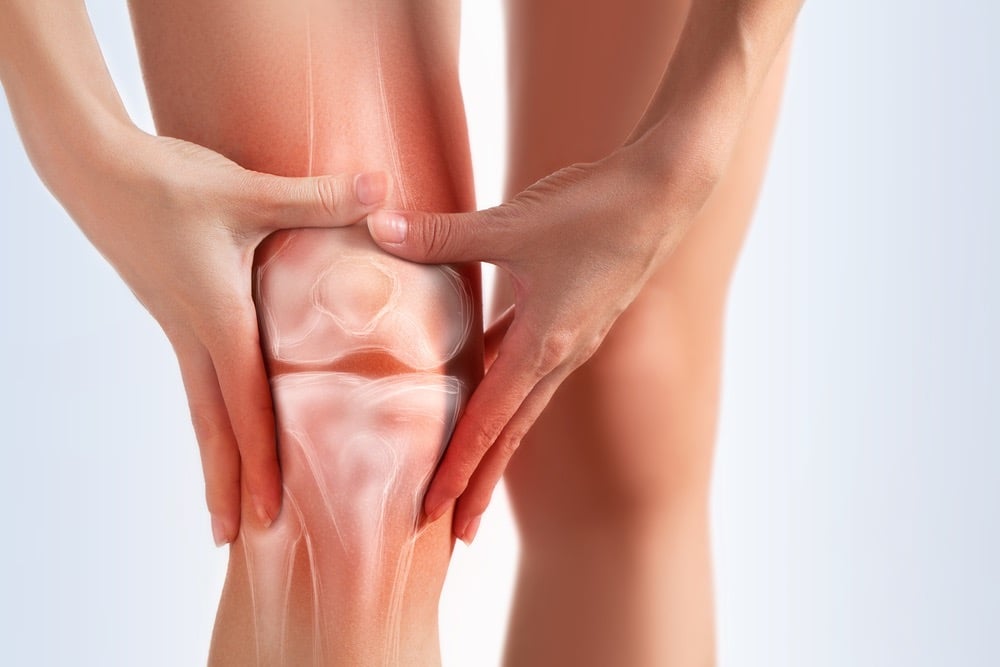
When simple movements like reaching for a cup or taking a step trigger sharp, persistent pain, it signals your joints are compensating at a harmful deficit. Dismissing it as ordinary soreness from a busy day ignores the real culprit: small, fluid-filled sacs that cushion your joints become inflamed, and your mobility is directly affected.
Recognizing common bursitis symptoms and available treatment options early can stop the inflammation from dictating your day, so you can quickly get back to moving better, feeling better, and doing what you love most.
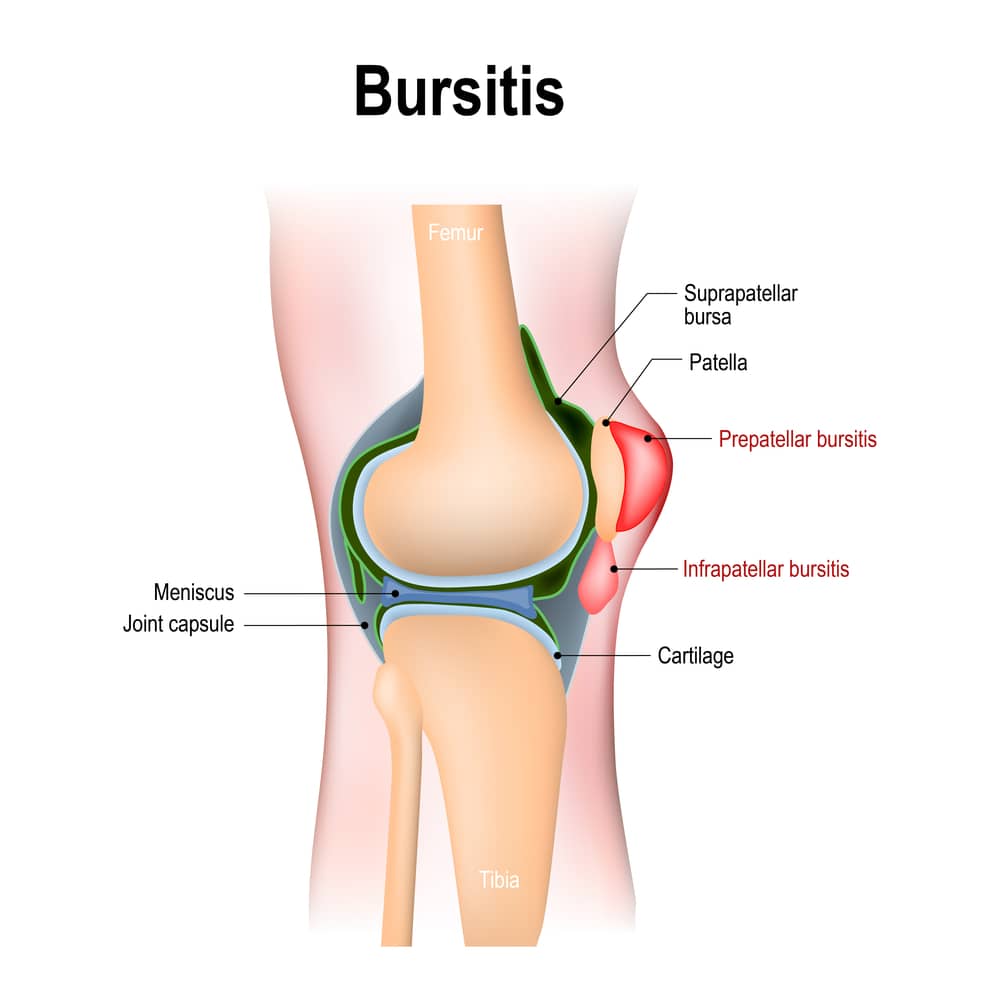
Bursitis often affects the shoulder, elbow, hip, knee, heel, or the base of the big toe. It can start slowly or appear suddenly after an injury, leading to symptoms like:
Bursitis is often due to how we move and use our bodies each day. Some of the contributing factors include:
Bursitis can share symptoms with other conditions, such as arthritis and cellulitis. Seeing a professional helps you get the right diagnosis and care for your recovery. Here’s what usually happens during an evaluation:
Treatment for bursitis depends on its severity and the cause. Most people get the best results by using a mix of treatments to ease pain and help with healing. Here are some common options:

Doing the same movements repeatedly puts pressure on the bursa and causes inflammation. Taking a break from high-impact activities gives your body time to heal and lets the swelling go down.
Adding low-impact activities to your routine can help protect your joints. Switching from high-intensity exercises like running to swimming or biking lets you stay active without worsening inflammation. Small changes to your posture and workspace, like wearing cushioned shoes, can also reduce joint stress and support healing.
Ice therapy works best within the first 24 to 48 hours by applying an ice pack or cold compress to the injured area for 10 to 20 minutes at a time, which helps reduce swelling and numb pain.
Consistency matters. Applying ice several times a day during the first phase helps reduce discomfort. Always use a thin cloth or towel to protect your skin from frostbite, and combine icing with rest for optimal results. After swelling subsides, you can alternate cold and gentle heat to improve circulation and flexibility.
Trochanteric bursitis is a self-limiting condition that can make routine activities, such as walking or climbing stairs, uncomfortable. Research shows that a structured program of stretching, strengthening, and mobility exercises, performed regularly for about 6 weeks, may significantly improve or completely resolve hip bursitis symptoms.
Physiotherapists also help you move more efficiently by correcting gait or posture problems that can cause bursitis. Learning proper body mechanics and slowly increasing your activity can help you recover faster and lower the risk of bursitis returning.

For mild to moderate bursitis, over-the-counter nonsteroidal anti-inflammatory drugs are often the first-line treatment for joint inflammation. These medications work by blocking the enzymes that trigger inflammation, helping to relieve pain and reduce swelling.
These medications are more effective when used with rest and other treatments. However, using NSAIDs for a long time can cause stomach irritation or other side effects, so it’s important to check with your healthcare provider. They can help you use them safely and decide if you need stronger medicine or other therapies.
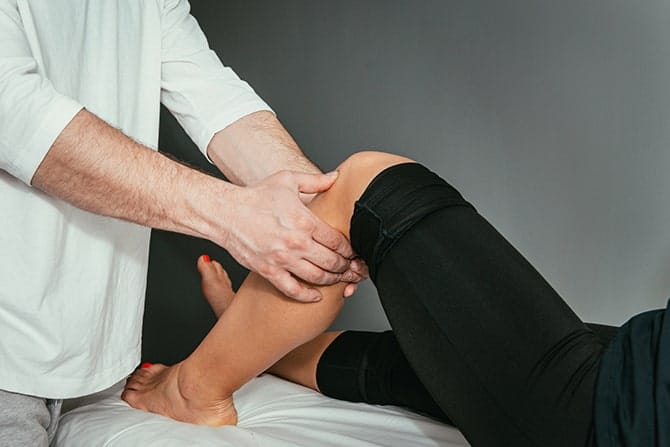
Subacromial bursitis is a type of shoulder bursitis that can cause pain and limit arm movement. Chiropractic care offers a noninvasive treatment for shoulder bursitis, using joint adjustments and soft‑tissue therapies to help ease discomfort and improve mobility.
Research published in Chiropractic & Manual Therapies highlights the role of manual therapy, which includes chiropractic techniques, as a supportive option for musculoskeletal shoulder conditions. It can be a helpful addition to physiotherapy and medical care, especially for people looking for hands-on, holistic support.
Chiropractic care for bursitis aims to restore proper joint alignment and reduce stress on the inflamed bursa. This helps your body heal naturally instead of just covering up the pain.
Here is how chiropractic treatment works for bursitis symptoms:
Joint pain should never be ignored. Seeking early care is the key to identifying the underlying causes of bursitis and relieving symptoms before they become more severe. Consider scheduling a consultation if you notice:
Once a healthcare provider confirms your diagnosis, chiropractic care can help manage bursitis by easing discomfort and improving mobility with noninvasive techniques.
Bursitis is generally a manageable condition, and with timely, appropriate care, you can achieve significant improvement without resorting to surgery or long-term medication.
At Zaker Chiropractic, we carefully assess your bursitis symptoms and tailor treatment options to address the root cause of your pain and support a smoother, faster recovery.
If you are struggling to find pain relief for hip bursitis or any joint, scheduling a consultation today is your first step towards lasting relief.